Buy berater24.eu ?
We are moving the project
berater24.eu .
Are you interested in purchasing the domain
berater24.eu ?
domain@kv-gmbh.de · 0541-91531010
Buy berater24.eu ?
What is the difference between a commercial assistant, a commercial specialist, and a business economist?
A commercial assistant typically provides administrative support to a commercial team, handling tasks such as data entry, scheduling, and basic customer service. A commercial specialist, on the other hand, is more focused on analyzing market trends, developing marketing strategies, and managing sales activities. A business economist, meanwhile, is trained to analyze economic data and trends to provide insights and forecasts that can help businesses make informed decisions. They may also be involved in financial analysis and planning. In summary, while a commercial assistant provides administrative support, a commercial specialist focuses on sales and marketing, and a business economist specializes in economic analysis and forecasting. **
What are the differences between a business administration specialist and a commercial specialist?
A business administration specialist typically focuses on the overall management and operations of a business, including areas such as finance, human resources, marketing, and strategic planning. On the other hand, a commercial specialist is more focused on the buying and selling of goods and services, negotiating contracts, and managing relationships with suppliers and customers. While both roles may involve aspects of business management, a business administration specialist tends to have a broader scope of responsibilities, while a commercial specialist may have a more specific focus on commercial transactions and relationships. **
Similar search terms for Commercial
Top-Angebote
Products related to Commercial:
-
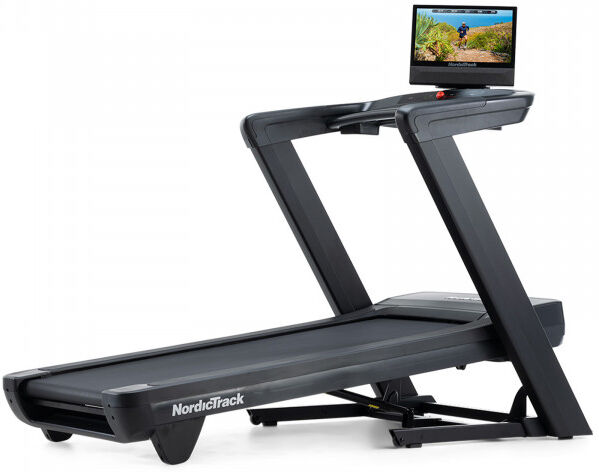
NordicTrack Commercial 1250 TreadmillUPHILL. DOWNHILL. FULL SPEED. The NordicTrack Commercial 1250 Treadmill adds serious capability to home running. A strong 3.6 CHP motor supports everything from relaxed walks to faster sessions, with speeds reaching up to 20 km/h.The wider 55 × 152 cm running area gives you more space to settle...1499,00 £*Shipping: 0,00 £Secure redirect to the provider
-
idealhouse Commercial Cooking AccessoryThis heavy‑duty commercial glass polisher delivers fast streak‑free polishing for up to 330 cups per hour. It combines polishing and 60℃ hot‑air drying to remove residual moisture. Compatible with glassware with 30‑100mm rim diameter and stemmed glasses up to 76mm. Featuring 5 detachable, dishwasher‑safe microfiber brushes and food‑safe stainless‑steel housing, it offers stable, long‑time operation for bars, hotels and restaurants. High‑speed commercial polishing finishes each glass in 5‑10 seconds, producing crystal‑clear, streak‑free glassware at 330 cups/hour for busy bars, restaurants and catering sites.. 2‑in‑1 polishing and hot‑air drying unit; its built‑in heating system blows 60℃ warm air to evaporate moisture and treat the brush heads automatically.. Works with stemmed glasses, tumblers and decanters; fits rim diameters 30‑100mm and stemmed glassware up to 76mm for wide‑ranging commercial glass‑polishing needs.. Includes 5 scratch‑resistant removable microfiber brush heads that are dishwasher‑safe for quick cleanup and simple part replacement to cut daily maintenance work.. Built with food‑safe 304 stainless‑steel casing, top waterproof power switch and anti‑slip rubber feet; this sturdy machine supports long‑hour heavy‑duty commercial kitchen use.. Brand Name: idealhouse.309,99 £*Shipping: 0,00 £Secure redirect to the provider
-
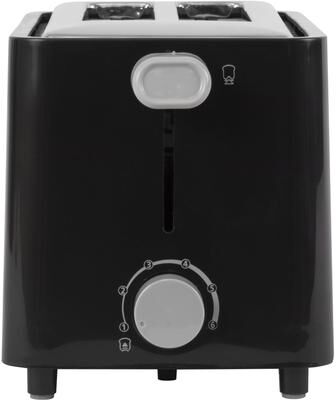
Commercial Chef CCT2201B Toaster"Commercial Chef, 2 Slice Toaster, electronic variable toast shade control, pull down crumb tray, toast cancel feature, cool-touch housing, 1.2"" wide toasting slots, 2 bread centering guides in each slot, extra-lift feature for raising breads higher in…"25,43 $*Shipping: 0,00 $Secure redirect to the provider
-
Commercial Chef Coffee Grinder200 watts One touch pulse control Stainless steel housing and blades Detachable container for easy cleaning 2.1 ounces maximum bean capacity Power cord storage Lid Safety Lock Use for grinding of coffee or spices39,49 $*Shipping: 0,00 $Secure redirect to the provider


-
What are the differences between a business management specialist and a commercial specialist?
A business management specialist typically focuses on overseeing and optimizing the overall operations and strategies of a business. They are responsible for managing resources, setting goals, and ensuring the organization runs efficiently. On the other hand, a commercial specialist specializes in sales, marketing, and business development. They focus on identifying opportunities for growth, building relationships with clients, and driving revenue for the company. While both roles are crucial for the success of a business, a business management specialist is more focused on internal operations, while a commercial specialist is more externally focused on generating revenue. **
-
Are microjobs commercial?
Yes, microjobs are commercial in nature. They involve the exchange of goods or services for payment, which is a fundamental aspect of commercial activity. Whether it's completing small tasks, providing services, or selling products, microjobs are part of the commercial economy and contribute to the overall marketplace. Additionally, many microjob platforms are operated by commercial entities that facilitate the transactions between individuals or businesses. **
-
How can one become a specialist manager after completing a commercial apprenticeship?
After completing a commercial apprenticeship, one can become a specialist manager by gaining relevant work experience and continuing their education. This can include pursuing a bachelor's degree in a related field such as business administration or management. Additionally, obtaining certifications or specialized training in areas such as finance, marketing, or human resources can help to develop the necessary skills and knowledge to become a specialist manager. Networking and seeking out mentorship opportunities within the industry can also be beneficial in advancing to a specialist manager role. **
-
How can I become a consultant coach?
To become a consultant coach, you should first gain expertise in a specific area or field that you want to coach others in. This could be through education, training, or work experience. Next, you should consider getting certified as a coach through a reputable coaching organization. Building a strong network and reputation in your chosen field can also help you attract clients and establish yourself as a consultant coach. Finally, continuously improving your coaching skills and staying up-to-date with industry trends will help you succeed in this competitive field. **


How do you compare a commercial traveler to a commercial agent?
A commercial traveler is an individual who travels to different locations to sell goods or services on behalf of a company, often working on a commission basis. On the other hand, a commercial agent is a representative who acts on behalf of a company to negotiate and facilitate business transactions with clients or customers. While both roles involve promoting and selling products or services, a commercial agent typically has a more formal relationship with the company they represent and may have a broader range of responsibilities beyond just sales. **
Commercial large or small?
The decision between a commercial large or small business depends on various factors such as the target market, budget, scalability, and long-term goals. A large commercial business may have more resources, reach, and brand recognition, but it also comes with higher costs and more competition. On the other hand, a small commercial business may offer more flexibility, personalized service, and lower overhead costs, but it may have limitations in terms of growth and market reach. Ultimately, the choice between a commercial large or small business should be based on a thorough analysis of these factors and aligning them with the business objectives. **
Top-Angebote
Products related to Commercial:
-
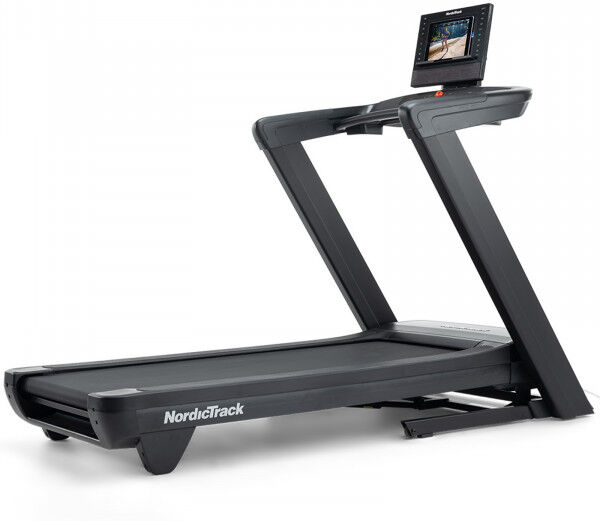
NordicTrack Commercial 1750 TreadmillTHE ROAD IS YOURS A bigger screen, stronger motor, and smarter training tools give the NordicTrack Commercial 1750 Treadmill a real step up in home running. A powerful 4.25 CHP motor supports everything from relaxed walks to faster sessions, with speeds reaching up to 20 km/h when the pace picks...1999,00 £*Shipping: 0,00 £Secure redirect to the provider
-
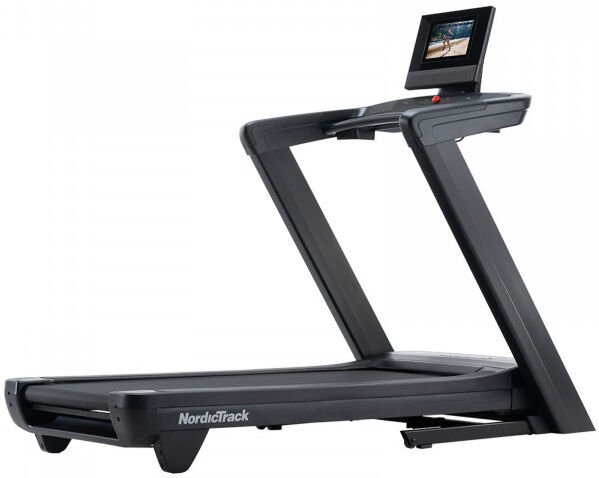
NordicTrack Commercial LE TreadmillRUN THE ROUTE, FEEL THE TERRAIN Getting results takes commitment and the right support, and that’s where the NordicTrack Commercial LE Treadmill paired with the iFIT membership shines. This isn’t just another treadmill; it’s like having a personal coach guiding you every step of the way. With...1799,00 £*Shipping: 0,00 £Secure redirect to the provider
-
NordicTrack Commercial 1250 TreadmillUPHILL. DOWNHILL. FULL SPEED. The NordicTrack Commercial 1250 Treadmill adds serious capability to home running. A strong 3.6 CHP motor supports everything from relaxed walks to faster sessions, with speeds reaching up to 20 km/h.The wider 55 × 152 cm running area gives you more space to settle...1499,00 £*Shipping: 0,00 £Secure redirect to the provider
-
idealhouse Commercial Cooking AccessoryThis heavy‑duty commercial glass polisher delivers fast streak‑free polishing for up to 330 cups per hour. It combines polishing and 60℃ hot‑air drying to remove residual moisture. Compatible with glassware with 30‑100mm rim diameter and stemmed glasses up to 76mm. Featuring 5 detachable, dishwasher‑safe microfiber brushes and food‑safe stainless‑steel housing, it offers stable, long‑time operation for bars, hotels and restaurants. High‑speed commercial polishing finishes each glass in 5‑10 seconds, producing crystal‑clear, streak‑free glassware at 330 cups/hour for busy bars, restaurants and catering sites.. 2‑in‑1 polishing and hot‑air drying unit; its built‑in heating system blows 60℃ warm air to evaporate moisture and treat the brush heads automatically.. Works with stemmed glasses, tumblers and decanters; fits rim diameters 30‑100mm and stemmed glassware up to 76mm for wide‑ranging commercial glass‑polishing needs.. Includes 5 scratch‑resistant removable microfiber brush heads that are dishwasher‑safe for quick cleanup and simple part replacement to cut daily maintenance work.. Built with food‑safe 304 stainless‑steel casing, top waterproof power switch and anti‑slip rubber feet; this sturdy machine supports long‑hour heavy‑duty commercial kitchen use.. Brand Name: idealhouse.309,99 £*Shipping: 0,00 £Secure redirect to the provider
-
What is the difference between a commercial assistant, a commercial specialist, and a business economist?
A commercial assistant typically provides administrative support to a commercial team, handling tasks such as data entry, scheduling, and basic customer service. A commercial specialist, on the other hand, is more focused on analyzing market trends, developing marketing strategies, and managing sales activities. A business economist, meanwhile, is trained to analyze economic data and trends to provide insights and forecasts that can help businesses make informed decisions. They may also be involved in financial analysis and planning. In summary, while a commercial assistant provides administrative support, a commercial specialist focuses on sales and marketing, and a business economist specializes in economic analysis and forecasting. **
-
What are the differences between a business administration specialist and a commercial specialist?
A business administration specialist typically focuses on the overall management and operations of a business, including areas such as finance, human resources, marketing, and strategic planning. On the other hand, a commercial specialist is more focused on the buying and selling of goods and services, negotiating contracts, and managing relationships with suppliers and customers. While both roles may involve aspects of business management, a business administration specialist tends to have a broader scope of responsibilities, while a commercial specialist may have a more specific focus on commercial transactions and relationships. **
-
What are the differences between a business management specialist and a commercial specialist?
A business management specialist typically focuses on overseeing and optimizing the overall operations and strategies of a business. They are responsible for managing resources, setting goals, and ensuring the organization runs efficiently. On the other hand, a commercial specialist specializes in sales, marketing, and business development. They focus on identifying opportunities for growth, building relationships with clients, and driving revenue for the company. While both roles are crucial for the success of a business, a business management specialist is more focused on internal operations, while a commercial specialist is more externally focused on generating revenue. **
-
Are microjobs commercial?
Yes, microjobs are commercial in nature. They involve the exchange of goods or services for payment, which is a fundamental aspect of commercial activity. Whether it's completing small tasks, providing services, or selling products, microjobs are part of the commercial economy and contribute to the overall marketplace. Additionally, many microjob platforms are operated by commercial entities that facilitate the transactions between individuals or businesses. **
Similar search terms for Commercial
-
Commercial Chef CCT2201B Toaster"Commercial Chef, 2 Slice Toaster, electronic variable toast shade control, pull down crumb tray, toast cancel feature, cool-touch housing, 1.2"" wide toasting slots, 2 bread centering guides in each slot, extra-lift feature for raising breads higher in…"25,43 $*Shipping: 0,00 $Secure redirect to the provider
-
Commercial Chef Coffee Grinder200 watts One touch pulse control Stainless steel housing and blades Detachable container for easy cleaning 2.1 ounces maximum bean capacity Power cord storage Lid Safety Lock Use for grinding of coffee or spices39,49 $*Shipping: 0,00 $Secure redirect to the provider
-
How can one become a specialist manager after completing a commercial apprenticeship?
After completing a commercial apprenticeship, one can become a specialist manager by gaining relevant work experience and continuing their education. This can include pursuing a bachelor's degree in a related field such as business administration or management. Additionally, obtaining certifications or specialized training in areas such as finance, marketing, or human resources can help to develop the necessary skills and knowledge to become a specialist manager. Networking and seeking out mentorship opportunities within the industry can also be beneficial in advancing to a specialist manager role. **
-
How can I become a consultant coach?
To become a consultant coach, you should first gain expertise in a specific area or field that you want to coach others in. This could be through education, training, or work experience. Next, you should consider getting certified as a coach through a reputable coaching organization. Building a strong network and reputation in your chosen field can also help you attract clients and establish yourself as a consultant coach. Finally, continuously improving your coaching skills and staying up-to-date with industry trends will help you succeed in this competitive field. **
-
How do you compare a commercial traveler to a commercial agent?
A commercial traveler is an individual who travels to different locations to sell goods or services on behalf of a company, often working on a commission basis. On the other hand, a commercial agent is a representative who acts on behalf of a company to negotiate and facilitate business transactions with clients or customers. While both roles involve promoting and selling products or services, a commercial agent typically has a more formal relationship with the company they represent and may have a broader range of responsibilities beyond just sales. **
-
Commercial large or small?
The decision between a commercial large or small business depends on various factors such as the target market, budget, scalability, and long-term goals. A large commercial business may have more resources, reach, and brand recognition, but it also comes with higher costs and more competition. On the other hand, a small commercial business may offer more flexibility, personalized service, and lower overhead costs, but it may have limitations in terms of growth and market reach. Ultimately, the choice between a commercial large or small business should be based on a thorough analysis of these factors and aligning them with the business objectives. **
* All prices are inclusive of VAT and, if applicable, plus shipping costs. The offer information is based on the details provided by the respective shop and is updated through automated processes. Real-time updates do not occur, so deviations can occur in individual cases. ** Note: Parts of this content were created by AI.