Buy berater24.eu ?
We are moving the project
berater24.eu .
Are you interested in purchasing the domain
berater24.eu ?
domain@kv-gmbh.de · 0541-91531010
Buy berater24.eu ?
When are ligands neutrally charged?
Ligands are neutrally charged when they have an equal number of positive and negative charges. This can occur when the ligand has a net charge of zero, such as in the case of water (H2O) or ammonia (NH3). Additionally, ligands can also be neutrally charged when they form coordinate covalent bonds with a metal ion, resulting in a neutral overall charge for the complex. **
What is the toughness of ligands?
The toughness of ligands refers to their ability to form stable coordination complexes with metal ions. Ligands with high toughness have strong bonds with the metal ion, making them less likely to dissociate from the complex. This property is important in determining the stability and reactivity of coordination complexes. Tough ligands are often used in catalysis and other applications where the complex needs to remain intact under harsh conditions. **

Similar search terms for Ligands
Top-Angebote
Products related to Ligands:
-
Coach Lana Leather Hobo bag blackEffortlessly embracing the chic hobo bag trend, this Coach Lana masterpiece is crafted from soft grained leather that promises enduring quality and style. Designed with two handles featuring a 24 cm drop, it offers versatile carrying options for day-to-night wear. Inside, a thoughtfully designed divider with a zip pocket keeps your essentials organised, while the main compartment provides ample space for everyday needs. The bag closes securely with a magnetic clasp and is finished with protective feet to preserve its pristine condition. Accented by a charming decorative tag, this bag is perfect for women who appreciate timeless elegance with a modern twist.371,25 £*Shipping: 0,00 £Secure redirect to the provider
-
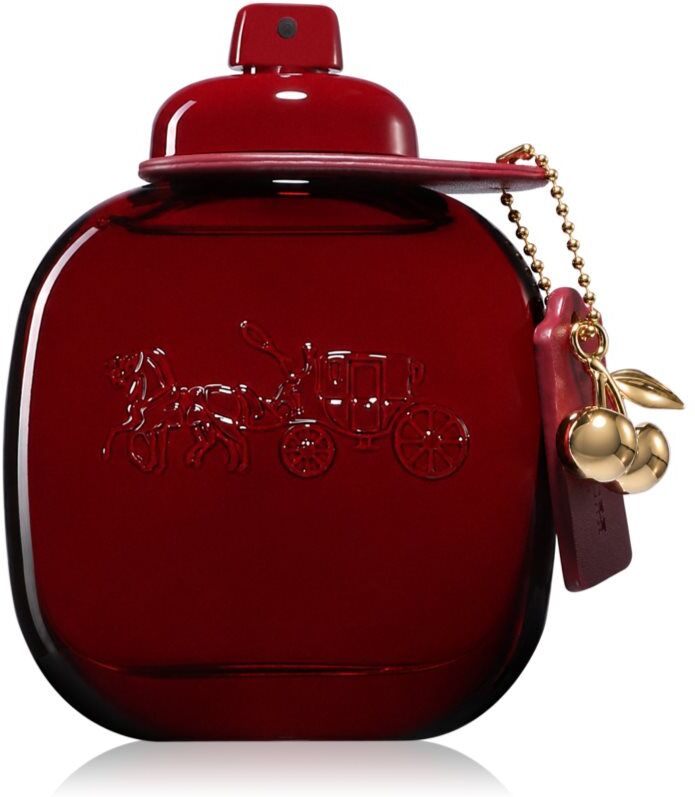
Coach Cherry perfume W 90 mlCoach Cherry, 90 ml, Perfumes for Women, If you absolutely love fruit, then you won’t be able to resist the Coach Cherry perfume for women. The delicious, juicy notes of fruit are especially hard to resist and will make an ordinary day instantly lovelier. fruity fragrance floral fragrance great for women with a romantic soul a fragrance that’s ideal for everyday wear and special occasions guaranteed to make an amazing gift59,60 £*Shipping: 3,99 £Secure redirect to the provider
-
Coach Woman Eau de Toilette 50mLAn eau de toilette. What is the story of the Woman perfume?. Light yet full of character, this perfume celebrates individuality with a blend of fresh floral notes and modern sensibility. Feminine floral fragrance. Soft pink packaging with leather-inspired texture. Engraved horse and carriage logo. Embodies effortless American elegance.37,56 £*Shipping: 6,94 £Secure redirect to the provider


-
What is the chelating ability of ligands?
The chelating ability of ligands refers to their ability to form coordination complexes by binding to a central metal ion through multiple donor atoms. Ligands with chelating ability can form more stable complexes compared to monodentate ligands because they can wrap around the metal ion, forming a ring-like structure known as a chelate. This chelate structure enhances the stability of the complex by reducing the chances of other molecules displacing the ligand from the metal ion. Chelating ligands are commonly used in various fields such as medicine, environmental science, and industrial chemistry due to their ability to form stable and selective complexes with metal ions. **
-
What is the structural formula of ligands?
The structural formula of ligands can vary depending on the specific ligand, but in general, ligands are molecules or ions that have one or more lone pairs of electrons that can be donated to a metal ion. The structural formula typically includes the arrangement of atoms and lone pairs of electrons that are available for coordination to the metal ion. Ligands can be classified as monodentate, bidentate, tridentate, etc., depending on the number of donor atoms they have available for coordination. Overall, the structural formula of ligands reflects their ability to form coordination complexes with metal ions. **
-
How can one determine the toughness of ligands?
The toughness of ligands can be determined by their ability to form stable complexes with metal ions. Ligands with multiple donor atoms and strong donor atoms, such as nitrogen, oxygen, and sulfur, are generally tougher than ligands with fewer or weaker donor atoms. Additionally, the size and charge of the ligand can also affect its toughness, with larger and negatively charged ligands typically being tougher. Experimentally, the toughness of ligands can be determined by measuring the stability constants of the metal-ligand complexes they form. **
-
What is the number of ligands in coordination chemistry?
The number of ligands in coordination chemistry refers to the number of donor atoms in a molecule or ion that can bond to a central metal atom. The number of ligands can vary depending on the coordination number of the central metal atom. Common coordination numbers include 2, 4, 6, and 8, which correspond to complexes with 2, 4, 6, or 8 ligands, respectively. The coordination number and the number of ligands determine the geometry and overall structure of the coordination complex. **

What is the number of ligands in complex chemistry?
The number of ligands in complex chemistry refers to the number of molecules or ions that are bonded to a central metal atom. The number of ligands can vary depending on the coordination number of the metal atom, which is the total number of bonds formed with the ligands. Common coordination numbers include 2, 4, 6, and so on, which correspond to the number of ligands bonded to the central metal atom. The coordination number and the number of ligands play a crucial role in determining the geometry and properties of coordination complexes. **
Which factors influence the exchange rate of ligands in the complex?
The exchange rate of ligands in a complex is influenced by several factors. One key factor is the strength of the bond between the ligand and the central metal ion. Stronger bonds typically result in slower exchange rates. Additionally, the steric hindrance around the metal center can affect the exchange rate, with bulky ligands hindering the exchange process. The nature of the solvent and the temperature of the system can also impact the exchange rate of ligands in a complex. **
Top-Angebote
Products related to Ligands:
-
Coach Coach M gift set M 1 pcCoach Coach For Men, 1 pc, Sets for men for Men, Are you looking for an ideal gift for your partner, brother, father or perhaps a friend? The Coach Coach For Men men's perfume set is guaranteed to please every man. Give your loved ones the gift of a set that contains not one fragrant surprise but several. Characteristics: contains a full-size fragrance and a miniature amazing as a gift a treat for any man The set contains: Coach Coach for Men Coach for Men Eau de Parfum eau de parfum 60 ml Coach for Men eau de parfum 7,5 ml28,16 £*Shipping: 3,99 £Secure redirect to the provider
-
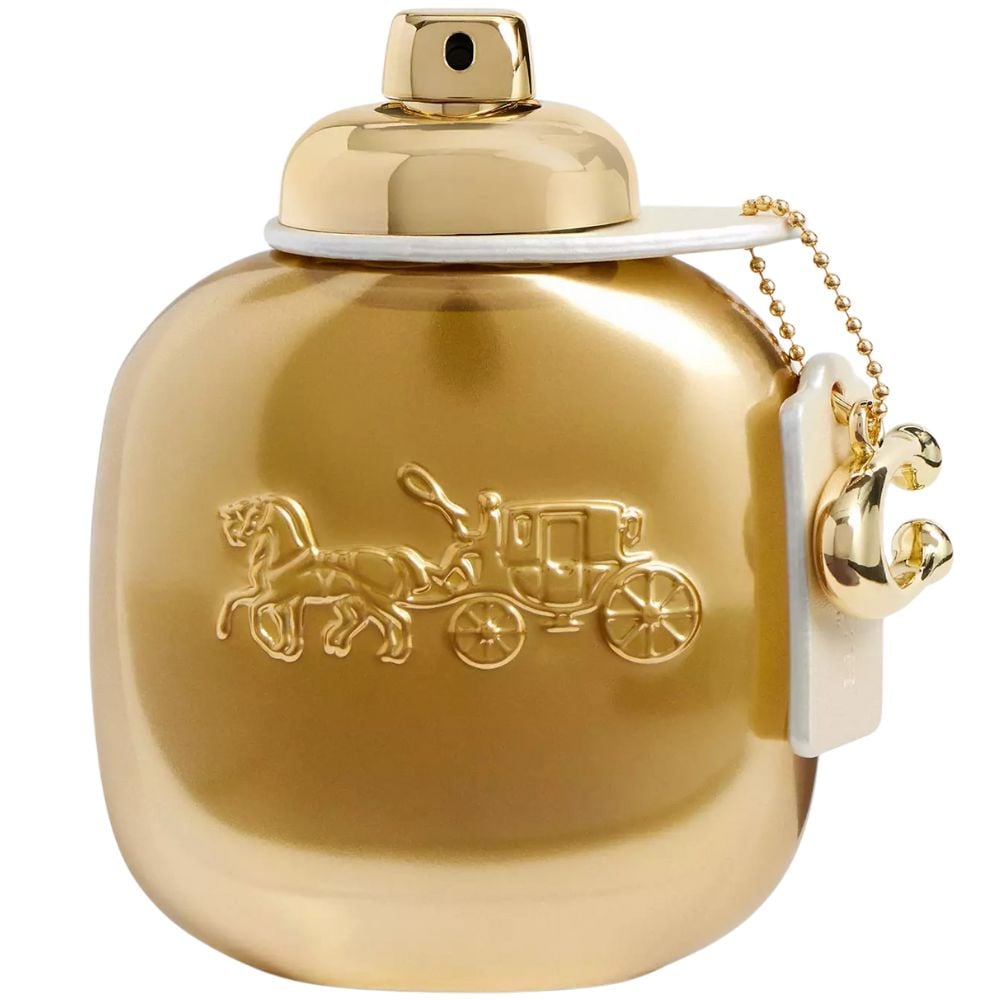
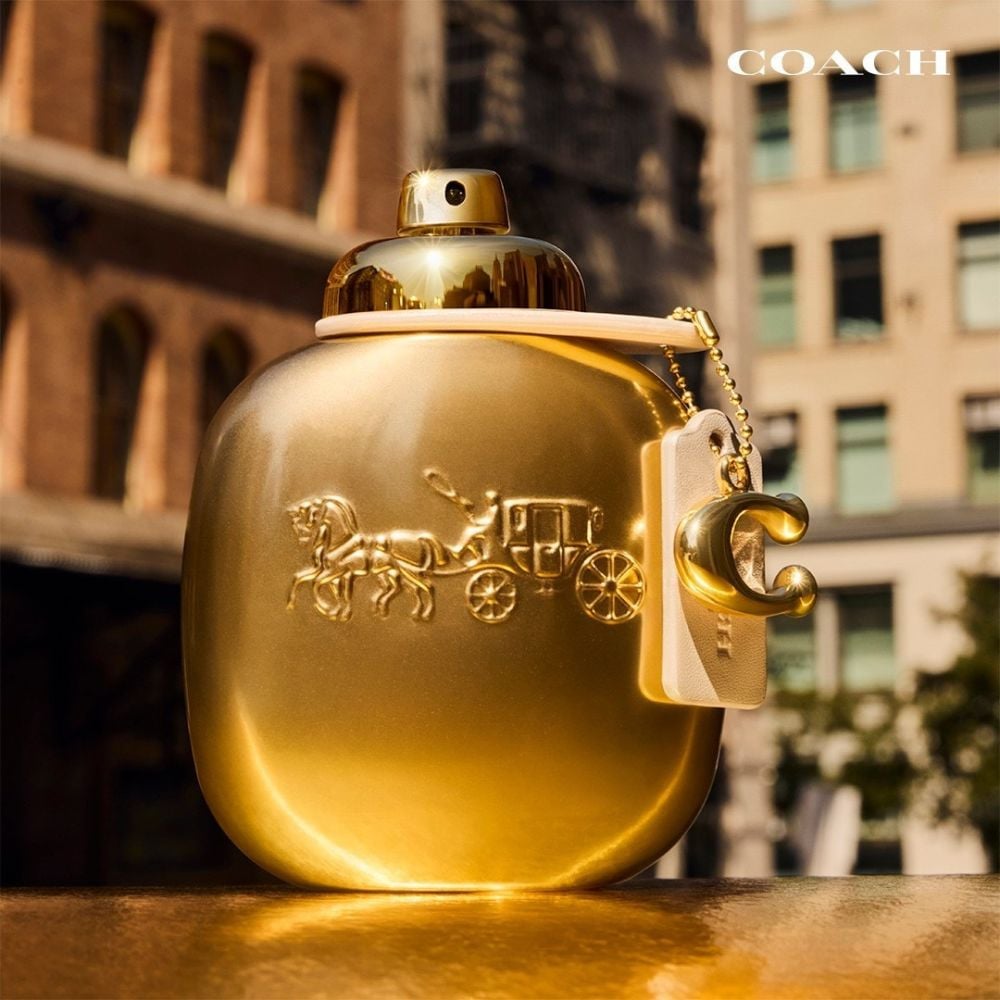
Coach Gold Parfum 30mLA perfume for dull skin. It a radiant, bold women’s fragrance that blends warm vanilla, almond blossom, and sparkling fruits into a luminous, golden signature scent. What is the story of the Gold perfume?. Fragrance family: fruity floral amber. Created by perfumer Louise Turner. Lacquered gold bottle with signature charm.35,45 £*Shipping: 5,22 £Secure redirect to the provider
-
Coach Lana Leather Hobo bag blackEffortlessly embracing the chic hobo bag trend, this Coach Lana masterpiece is crafted from soft grained leather that promises enduring quality and style. Designed with two handles featuring a 24 cm drop, it offers versatile carrying options for day-to-night wear. Inside, a thoughtfully designed divider with a zip pocket keeps your essentials organised, while the main compartment provides ample space for everyday needs. The bag closes securely with a magnetic clasp and is finished with protective feet to preserve its pristine condition. Accented by a charming decorative tag, this bag is perfect for women who appreciate timeless elegance with a modern twist.371,25 £*Shipping: 0,00 £Secure redirect to the provider
-
When are ligands neutrally charged?
Ligands are neutrally charged when they have an equal number of positive and negative charges. This can occur when the ligand has a net charge of zero, such as in the case of water (H2O) or ammonia (NH3). Additionally, ligands can also be neutrally charged when they form coordinate covalent bonds with a metal ion, resulting in a neutral overall charge for the complex. **
-
What is the toughness of ligands?
The toughness of ligands refers to their ability to form stable coordination complexes with metal ions. Ligands with high toughness have strong bonds with the metal ion, making them less likely to dissociate from the complex. This property is important in determining the stability and reactivity of coordination complexes. Tough ligands are often used in catalysis and other applications where the complex needs to remain intact under harsh conditions. **
-
What is the chelating ability of ligands?
The chelating ability of ligands refers to their ability to form coordination complexes by binding to a central metal ion through multiple donor atoms. Ligands with chelating ability can form more stable complexes compared to monodentate ligands because they can wrap around the metal ion, forming a ring-like structure known as a chelate. This chelate structure enhances the stability of the complex by reducing the chances of other molecules displacing the ligand from the metal ion. Chelating ligands are commonly used in various fields such as medicine, environmental science, and industrial chemistry due to their ability to form stable and selective complexes with metal ions. **
-
What is the structural formula of ligands?
The structural formula of ligands can vary depending on the specific ligand, but in general, ligands are molecules or ions that have one or more lone pairs of electrons that can be donated to a metal ion. The structural formula typically includes the arrangement of atoms and lone pairs of electrons that are available for coordination to the metal ion. Ligands can be classified as monodentate, bidentate, tridentate, etc., depending on the number of donor atoms they have available for coordination. Overall, the structural formula of ligands reflects their ability to form coordination complexes with metal ions. **
Similar search terms for Ligands
-
Coach Cherry perfume W 90 mlCoach Cherry, 90 ml, Perfumes for Women, If you absolutely love fruit, then you won’t be able to resist the Coach Cherry perfume for women. The delicious, juicy notes of fruit are especially hard to resist and will make an ordinary day instantly lovelier. fruity fragrance floral fragrance great for women with a romantic soul a fragrance that’s ideal for everyday wear and special occasions guaranteed to make an amazing gift59,60 £*Shipping: 3,99 £Secure redirect to the provider
-
Coach Woman Eau de Toilette 50mLAn eau de toilette. What is the story of the Woman perfume?. Light yet full of character, this perfume celebrates individuality with a blend of fresh floral notes and modern sensibility. Feminine floral fragrance. Soft pink packaging with leather-inspired texture. Engraved horse and carriage logo. Embodies effortless American elegance.37,56 £*Shipping: 6,94 £Secure redirect to the provider
-
Coach Green Eau de Toilette 100mLAn eau de toilette. This product captures the calm of nature and the energy of the city in a bold, refreshing scent for men. What is the story of the Green perfume?. It evokes the calming clarity of a green escape—inviting, energizing, and effortlessly cool. The bottle’s elegant green gradient and signature details reflect timeless craftsmanship and natural sophistication.70,35 £*Shipping: 6,94 £Secure redirect to the provider
-
Coach Gold Parfum 90mLA perfume for dull skin. It a radiant, bold women’s fragrance that blends warm vanilla, almond blossom, and sparkling fruits into a luminous, golden signature scent. What is the story of the Gold perfume?. Fragrance family: fruity floral amber. Created by perfumer Louise Turner. Lacquered gold bottle with signature charm.82,31 £*Shipping: 6,94 £Secure redirect to the provider
-
How can one determine the toughness of ligands?
The toughness of ligands can be determined by their ability to form stable complexes with metal ions. Ligands with multiple donor atoms and strong donor atoms, such as nitrogen, oxygen, and sulfur, are generally tougher than ligands with fewer or weaker donor atoms. Additionally, the size and charge of the ligand can also affect its toughness, with larger and negatively charged ligands typically being tougher. Experimentally, the toughness of ligands can be determined by measuring the stability constants of the metal-ligand complexes they form. **
-
What is the number of ligands in coordination chemistry?
The number of ligands in coordination chemistry refers to the number of donor atoms in a molecule or ion that can bond to a central metal atom. The number of ligands can vary depending on the coordination number of the central metal atom. Common coordination numbers include 2, 4, 6, and 8, which correspond to complexes with 2, 4, 6, or 8 ligands, respectively. The coordination number and the number of ligands determine the geometry and overall structure of the coordination complex. **
-
What is the number of ligands in complex chemistry?
The number of ligands in complex chemistry refers to the number of molecules or ions that are bonded to a central metal atom. The number of ligands can vary depending on the coordination number of the metal atom, which is the total number of bonds formed with the ligands. Common coordination numbers include 2, 4, 6, and so on, which correspond to the number of ligands bonded to the central metal atom. The coordination number and the number of ligands play a crucial role in determining the geometry and properties of coordination complexes. **
-
Which factors influence the exchange rate of ligands in the complex?
The exchange rate of ligands in a complex is influenced by several factors. One key factor is the strength of the bond between the ligand and the central metal ion. Stronger bonds typically result in slower exchange rates. Additionally, the steric hindrance around the metal center can affect the exchange rate, with bulky ligands hindering the exchange process. The nature of the solvent and the temperature of the system can also impact the exchange rate of ligands in a complex. **
* All prices are inclusive of VAT and, if applicable, plus shipping costs. The offer information is based on the details provided by the respective shop and is updated through automated processes. Real-time updates do not occur, so deviations can occur in individual cases. ** Note: Parts of this content were created by AI.