Buy berater24.eu ?
We are moving the project
berater24.eu .
Are you interested in purchasing the domain
berater24.eu ?
domain@kv-gmbh.de · 0541-91531010
Buy berater24.eu ?
How to create a titration curve of a conductivity titration?
To create a titration curve of a conductivity titration, you would first need to set up your titration apparatus with a conductivity meter. Begin by measuring the initial conductivity of the solution being titrated. As you add titrant incrementally, record the conductivity at each point. Plot the conductivity values against the volume of titrant added to create a titration curve. The curve will typically show a sharp increase in conductivity at the equivalence point, allowing you to determine the endpoint of the titration. **
How does a titration with the degree of titration work?
A titration with the degree of titration works by gradually adding a titrant of known concentration to a solution of the analyte until the reaction between the two is complete. The point at which the reaction is complete is determined by using an indicator or a pH meter. The amount of titrant required to reach this point is used to calculate the concentration of the analyte in the original solution. The degree of titration refers to the extent to which the reaction has progressed and is typically expressed as a percentage. **

Similar search terms for Titration
Top-Angebote
Products related to Titration:
-
Coach Lana Leather Hobo bag blackEffortlessly embracing the chic hobo bag trend, this Coach Lana masterpiece is crafted from soft grained leather that promises enduring quality and style. Designed with two handles featuring a 24 cm drop, it offers versatile carrying options for day-to-night wear. Inside, a thoughtfully designed divider with a zip pocket keeps your essentials organised, while the main compartment provides ample space for everyday needs. The bag closes securely with a magnetic clasp and is finished with protective feet to preserve its pristine condition. Accented by a charming decorative tag, this bag is perfect for women who appreciate timeless elegance with a modern twist.371,25 £*Shipping: 0,00 £Secure redirect to the provider
-
Coach Green Eau de Toilette 100mLAn eau de toilette. This product captures the calm of nature and the energy of the city in a bold, refreshing scent for men. What is the story of the Green perfume?. It evokes the calming clarity of a green escape—inviting, energizing, and effortlessly cool. The bottle’s elegant green gradient and signature details reflect timeless craftsmanship and natural sophistication.70,35 £*Shipping: 6,94 £Secure redirect to the provider
-
Coach Eau de Parfum for HerAn eau de parfum. A fragrance of contrasts, it opens with lively notes of raspberry, transitioning into soft Turkish rose notes before giving way to a sensual base note of musk. Top notes: Raspberry, Pear, Pink Pepper. Heart notes: Turkish Rose, Gardenia, Cyclamen. Base notes: Musk, Cashmeran, Sandalwood.77,25 £*Shipping: 9,79 £Secure redirect to the provider
-
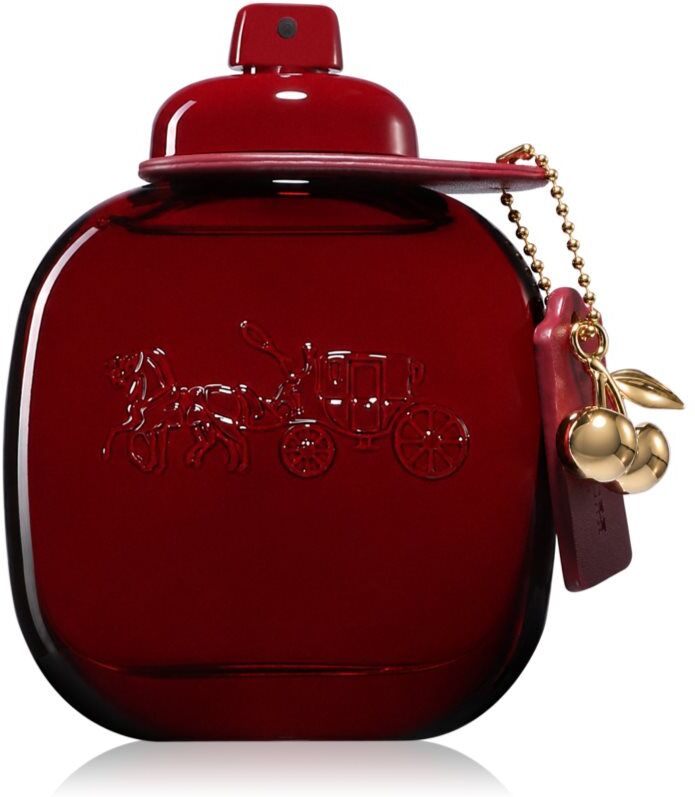
Coach Cherry perfume W 90 mlCoach Cherry, 90 ml, Perfumes for Women, If you absolutely love fruit, then you won’t be able to resist the Coach Cherry perfume for women. The delicious, juicy notes of fruit are especially hard to resist and will make an ordinary day instantly lovelier. fruity fragrance floral fragrance great for women with a romantic soul a fragrance that’s ideal for everyday wear and special occasions guaranteed to make an amazing gift59,60 £*Shipping: 3,99 £Secure redirect to the provider



-
How does titration work?
Titration is a technique used in chemistry to determine the concentration of a specific substance in a solution. It involves slowly adding a solution of known concentration (titrant) to a solution of unknown concentration until the reaction between the two is complete. This is typically indicated by a color change or other observable change. By measuring the volume of titrant required to reach the endpoint, the concentration of the unknown solution can be calculated using stoichiometry. **
-
What is a titration?
A titration is a laboratory technique used to determine the concentration of a specific substance in a solution. It involves slowly adding a solution of known concentration (titrant) to a solution of unknown concentration until the reaction between the two is complete. The point at which the reaction is complete is called the equivalence point, which is used to calculate the concentration of the unknown solution. Titration is commonly used in chemistry for various purposes, such as determining the acidity or alkalinity of a solution. **
-
Can the titration volume be calculated without having performed the titration beforehand?
No, the titration volume cannot be accurately calculated without having performed the titration beforehand. The titration volume is determined by the amount of titrant needed to reach the equivalence point, which can only be determined through the actual titration process. The titration volume is a crucial parameter in determining the concentration of the analyte in the sample, so it is essential to perform the titration to obtain this information accurately. **
-
What does a titration curve look like when no titration is performed?
When no titration is performed, a titration curve would simply be a straight horizontal line at the initial pH of the solution being tested. This is because there would be no addition of titrant to cause any changes in pH. The curve would remain flat and unchanging until a titrant is added to initiate the titration process. **


What is the difference between a pH-metric titration and an indicator titration?
A pH-metric titration involves the use of a pH meter to measure the pH of a solution as a titrant is added to it. This allows for a precise determination of the equivalence point of the titration. On the other hand, an indicator titration uses a chemical indicator that changes color at or near the equivalence point to signal the end of the titration. While pH-metric titrations provide more accurate and precise results, indicator titrations are simpler and more commonly used in introductory chemistry labs. **
What is a back titration?
A back titration is a technique used in analytical chemistry to determine the concentration of an analyte that reacts slowly or incompletely with a direct titration method. It involves adding an excess of a known reagent to the analyte, allowing the reaction to proceed, and then titrating the excess reagent that did not react with a second titrant. By measuring the amount of the second titrant required to react with the excess reagent, the concentration of the analyte can be calculated. Back titrations are particularly useful when the analyte is volatile, weakly acidic or basic, or when there are interfering substances present. **
Top-Angebote
Products related to Titration:
-
Coach Gold Parfum 30mLA perfume for dull skin. It a radiant, bold women’s fragrance that blends warm vanilla, almond blossom, and sparkling fruits into a luminous, golden signature scent. What is the story of the Gold perfume?. Fragrance family: fruity floral amber. Created by perfumer Louise Turner. Lacquered gold bottle with signature charm.35,45 £*Shipping: 5,22 £Secure redirect to the provider
-
Coach Lana Leather Hobo bag blackEffortlessly embracing the chic hobo bag trend, this Coach Lana masterpiece is crafted from soft grained leather that promises enduring quality and style. Designed with two handles featuring a 24 cm drop, it offers versatile carrying options for day-to-night wear. Inside, a thoughtfully designed divider with a zip pocket keeps your essentials organised, while the main compartment provides ample space for everyday needs. The bag closes securely with a magnetic clasp and is finished with protective feet to preserve its pristine condition. Accented by a charming decorative tag, this bag is perfect for women who appreciate timeless elegance with a modern twist.371,25 £*Shipping: 0,00 £Secure redirect to the provider
-
Coach Green Eau de Toilette 100mLAn eau de toilette. This product captures the calm of nature and the energy of the city in a bold, refreshing scent for men. What is the story of the Green perfume?. It evokes the calming clarity of a green escape—inviting, energizing, and effortlessly cool. The bottle’s elegant green gradient and signature details reflect timeless craftsmanship and natural sophistication.70,35 £*Shipping: 6,94 £Secure redirect to the provider
-
How to create a titration curve of a conductivity titration?
To create a titration curve of a conductivity titration, you would first need to set up your titration apparatus with a conductivity meter. Begin by measuring the initial conductivity of the solution being titrated. As you add titrant incrementally, record the conductivity at each point. Plot the conductivity values against the volume of titrant added to create a titration curve. The curve will typically show a sharp increase in conductivity at the equivalence point, allowing you to determine the endpoint of the titration. **
-
How does a titration with the degree of titration work?
A titration with the degree of titration works by gradually adding a titrant of known concentration to a solution of the analyte until the reaction between the two is complete. The point at which the reaction is complete is determined by using an indicator or a pH meter. The amount of titrant required to reach this point is used to calculate the concentration of the analyte in the original solution. The degree of titration refers to the extent to which the reaction has progressed and is typically expressed as a percentage. **
-
How does titration work?
Titration is a technique used in chemistry to determine the concentration of a specific substance in a solution. It involves slowly adding a solution of known concentration (titrant) to a solution of unknown concentration until the reaction between the two is complete. This is typically indicated by a color change or other observable change. By measuring the volume of titrant required to reach the endpoint, the concentration of the unknown solution can be calculated using stoichiometry. **
-
What is a titration?
A titration is a laboratory technique used to determine the concentration of a specific substance in a solution. It involves slowly adding a solution of known concentration (titrant) to a solution of unknown concentration until the reaction between the two is complete. The point at which the reaction is complete is called the equivalence point, which is used to calculate the concentration of the unknown solution. Titration is commonly used in chemistry for various purposes, such as determining the acidity or alkalinity of a solution. **
Similar search terms for Titration
-
Coach Eau de Parfum for HerAn eau de parfum. A fragrance of contrasts, it opens with lively notes of raspberry, transitioning into soft Turkish rose notes before giving way to a sensual base note of musk. Top notes: Raspberry, Pear, Pink Pepper. Heart notes: Turkish Rose, Gardenia, Cyclamen. Base notes: Musk, Cashmeran, Sandalwood.77,25 £*Shipping: 9,79 £Secure redirect to the provider
-
Coach Cherry perfume W 90 mlCoach Cherry, 90 ml, Perfumes for Women, If you absolutely love fruit, then you won’t be able to resist the Coach Cherry perfume for women. The delicious, juicy notes of fruit are especially hard to resist and will make an ordinary day instantly lovelier. fruity fragrance floral fragrance great for women with a romantic soul a fragrance that’s ideal for everyday wear and special occasions guaranteed to make an amazing gift59,60 £*Shipping: 3,99 £Secure redirect to the provider
-
Coach Woman Eau de Toilette 30mLAn eau de toilette. What is the story of the Woman perfume?. Light yet full of character, this perfume celebrates individuality with a blend of fresh floral notes and modern sensibility. Feminine floral fragrance. Soft pink packaging with leather-inspired texture. Engraved horse and carriage logo. Embodies effortless American elegance.20,26 £*Shipping: 5,22 £Secure redirect to the provider
-
Coach Brooklyn 39 Leather Hobo bag brownEffortlessly blending timeless elegance with modern flair, this Coach Brooklyn hobo bag is crafted from soft grained leather that promises durability and a refined look. Designed with a single handle offering a comfortable 28 cm drop, it sits perfectly on your shoulder for all-day wear. The spacious main compartment easily fits A4 documents, complemented by a handy slip pocket for essentials. Secured with a magnetic clasp, this bag keeps your belongings safe while adding a subtle decorative tag for a touch of charm. Ideal for women who appreciate versatile style and practical luxury, it’s perfect for both workdays and weekend outings.346,50 £*Shipping: 0,00 £Secure redirect to the provider
-
Can the titration volume be calculated without having performed the titration beforehand?
No, the titration volume cannot be accurately calculated without having performed the titration beforehand. The titration volume is determined by the amount of titrant needed to reach the equivalence point, which can only be determined through the actual titration process. The titration volume is a crucial parameter in determining the concentration of the analyte in the sample, so it is essential to perform the titration to obtain this information accurately. **
-
What does a titration curve look like when no titration is performed?
When no titration is performed, a titration curve would simply be a straight horizontal line at the initial pH of the solution being tested. This is because there would be no addition of titrant to cause any changes in pH. The curve would remain flat and unchanging until a titrant is added to initiate the titration process. **
-
What is the difference between a pH-metric titration and an indicator titration?
A pH-metric titration involves the use of a pH meter to measure the pH of a solution as a titrant is added to it. This allows for a precise determination of the equivalence point of the titration. On the other hand, an indicator titration uses a chemical indicator that changes color at or near the equivalence point to signal the end of the titration. While pH-metric titrations provide more accurate and precise results, indicator titrations are simpler and more commonly used in introductory chemistry labs. **
-
What is a back titration?
A back titration is a technique used in analytical chemistry to determine the concentration of an analyte that reacts slowly or incompletely with a direct titration method. It involves adding an excess of a known reagent to the analyte, allowing the reaction to proceed, and then titrating the excess reagent that did not react with a second titrant. By measuring the amount of the second titrant required to react with the excess reagent, the concentration of the analyte can be calculated. Back titrations are particularly useful when the analyte is volatile, weakly acidic or basic, or when there are interfering substances present. **
* All prices are inclusive of VAT and, if applicable, plus shipping costs. The offer information is based on the details provided by the respective shop and is updated through automated processes. Real-time updates do not occur, so deviations can occur in individual cases. ** Note: Parts of this content were created by AI.